For most people, no bond is stronger than that of family. Its a bond that takes shape from birth and is one of the hardest ties to cut, because try as you might, you can never truly sever it completely. They exist inside of you, passed down to you, a part of your very DNA, undeniable. Because these connections are so strong they easily pierce our emotional barriers, every interaction magnified. Everything from love to hate, closeness to distance, trust to betrayal has an undefinable depth that can feel like a tangible tether anchored to your heart. Hereditary is a film about the ties that bind, accepting loss, acknowledging grief, taking responsibility, and the terror of trusting those closest to us.

The first thing you will come to recognize about Hereditary, is that it’s not your typical horror film. Unlike horror films of the past 20 years, it has lofty theatrical goals, hearkening back to 60’s and 70’s horror films like Rosemary’s Baby or The Shining. Predominantly, this film is about family, maintaining a slow burn throughout before descending into madness. By the end of the film, I had the feeling that its creation was just shy of genius. In his first major film release, writer and director Ari Aster crafted a love letter to horror films of the past, and in doing so creates a film that, on the outset, feels totally original. I honestly wasn’t sure what was going to come next because for the first act of the film, it’s a dry family drama with that Kubrik-like twist and attention to detail that keeps you a tad on edge, like seeing a sad clown with a bent smile. The film features large, open rooms with wide shots that leaves the details just out of focus, playing tricks on your eyes, but begs you to look closer. Aster also plays tricks on your ears, introducing sounds and music at the beginning of the film that signal ideas as the film gets deeper. These are all hallmarks of classic horror and cinema in general, but really work well when done with such careful attention. Yet, this is where I feel Aster is just shy of true genius. In one way, he was able to identify what makes a stellar horror film, what puts off the audience, even what may have terrified him personally, and put it into action. But none of these techniques feel original enough to separate themselves from their influence. The same goes for the films story, which plays a bit like horror jazz. All the elements of the composition are familiar, but they tumble out to the beat of their own drum, which keeps you guessing in the beginning, but at its culmination, any experienced viewer understands where the film will end.

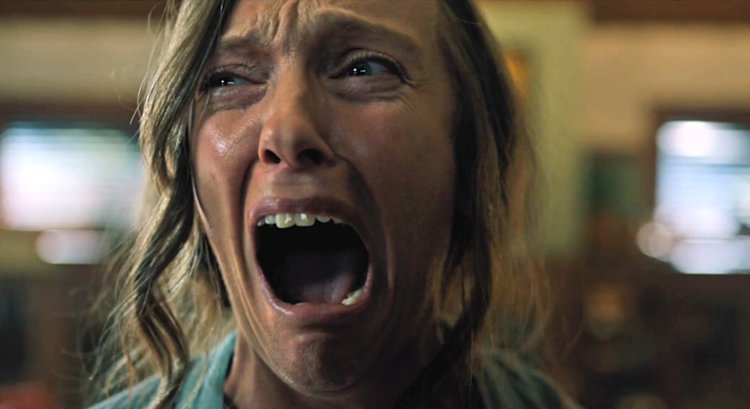
Just as deservedly, the cast did and amazing job. Toni Collette knocks it out of the park as a challenged mother Annie, grieving the loss of her estranged mother while simultaneously trying to find time for work and alleviate stress on her family. Milly Shapiro plays Annie’s troubled loner daughter Charlie, who like her mother is absorbed in a world of her own making. She pulls off a level of intensity that comes straight through the screen and is framed perfectly within the chilling tone of the film. Alex Wolff plays son and brother Peter as the typical high school junior who has the desire to flex his independence, a desire that becomes fully qualified as the story unfolds. As dads tend to do in family films, Gabriel Byrne remains in the background, maintaining his family as best he can, but still somehow becomes a memorable character throughout the film by playing a dual role as both audience and actor. What really serves all of these actors is the incredibly tense drama at the core of this film. Honestly, Hereditary could have shed the horror and still been a completely engaging story, having a level of realism and authenticity that beats at the center of its tell-tale heart.

Hereditary was either a genius film or a genius homage to other genius films. One thing I had read multiple times before viewing this movie is its relationship to films like “The Exorcist” and “The Sixth Sense”, which I think is a bit disingenuous, primarily because neither the tone nor the feel is anything like either of them. I spent part of the film looking for these relationships, but it only felt superficial. It has much more in common with older Japanese horror films, driven by tales of ghosts and supernatural visuals that creep out at the corner of your eye. I will instead put in your mind “Rosemary’s Baby” for feeling and “The Shining” visually. Either way, this isn’t the film for slasher fans, gore fans, or in general shock horror fans, though it does serve them at various points. It’s much more psychologically sinister, the perfect mix of sight, sound, and story. By the end, you will wish you didn’t want more, but that mixture and endgame will have you wanting to watch again, just to pick apart the meat. To end, admittedly, I am torn. What at first feels like a deep ocean of lore could be smoke and mirrors cast on a shallow puddle. But either way, that’s the magic of cinema.
~* 9/10 *~
Leave a Reply