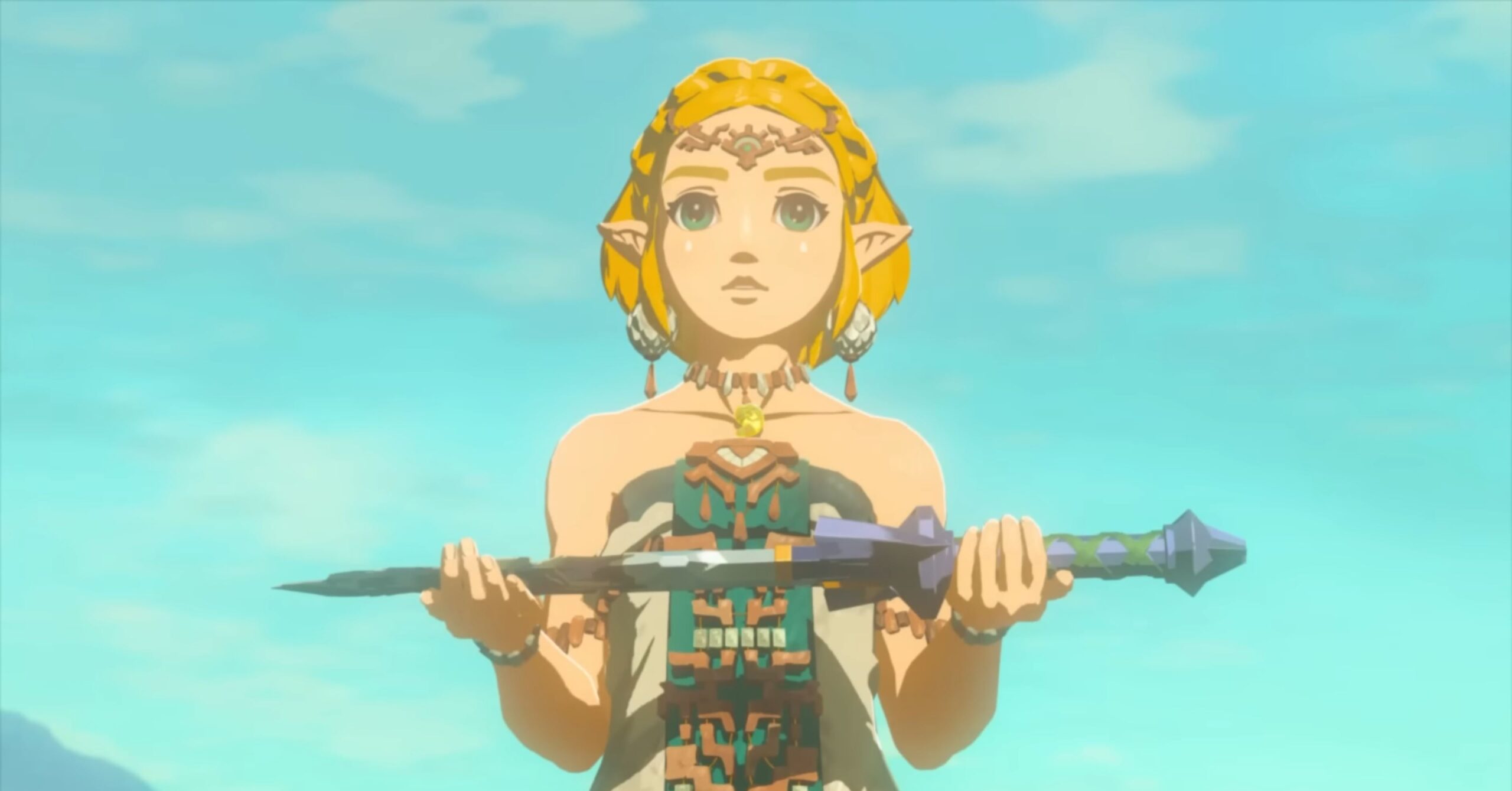
I finally finished Legend of Zelda: Tears of the Kingdom (TotK) after having it sit on my shelf for generations (I jest). It took all of my mental fortitude to push myself to finally play it after having such an underwhelming experience with its 1.0 release, Breath of the Wild (BotW). A more stable person might not push themselves to do something they are certain they won’t enjoy with their leisure time, but I believe that hard labor manifests character growth. In this exercise, I actually did find out something about myself that I may not have otherwise found. I can’t be entirely certain if what came to me is me grasping for straws to make meaning out of my time with games that I can assure you I found more cons than pros, but nonetheless, I can plant my flag and say, “I am a new person”. In fact, this discovery may change the way I play video games for the rest of my life. So without any tongue in my cheek, I can say that Tears of the Kingdom changed my life.
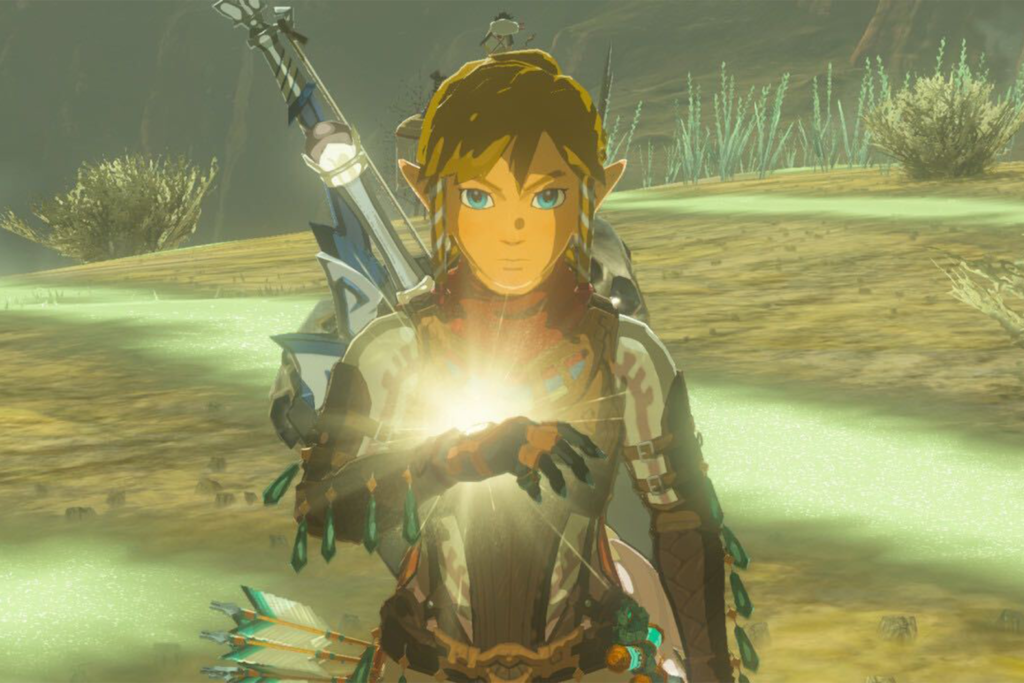
Let me put away my chest of hyperbole and bring in my bag of grounded reason and explain. Both Breath of the Wild and Tears of the Kingdom are celebrated sandbox games. They are filled with rules and logic, physics and magics, matter and energy that all interact with one another and allow the user to create unique reactions within the Zelda universe. The designers of the games created loose puzzles with a goals that simply do not care how you solve them. They may have placed a few obvious solutions to the puzzles nearby, but those are merely suggestions to get the juices flowing. And without mincing words, I absolutely hated this approach. Initially, it felt lazy. It felt patronizing. I felt denied an experience I had come to expect from this series as a whole. It wasn’t that I didn’t want it to grow or change, but this felt like the kind of departure that could be called a “selling out”. That they were just following in the steps of the industry that celebrated the rise of open world games. But at the heart of these complaints, the one thing they all had in common was simply me. It was only when I pointed this high powered perception back at myself was I able to discover that it was me and my life that kept me from enjoying a game like TotK.
Who am I? Well, my day job, my career is basically playing in a sandbox every single day. I am a programmer and unlike most programmers who spend hours, days, weeks, and years in the same working environment, I jump from team to team and project to project, creating solutions for businesses small and large. I apologize if this sounds like a CV, but it’s necessary for my argument. My client relations may last years, but I deal with anywhere from 5 to 10 clients a week, dropping in and out ad hoc. I create solutions inside the clients sandbox using a limited set of tools they have available. Using the business logic and universe they live in to bring together an idea and create a solution to solve a problem. My job is TotK. And by the end of the day, most times, I am creatively drained. I don’t want to create anything anymore. I still want to solve puzzles, but I want to solve them in a constructed environment with a solution conceived by a game designer. For instance, Sudoku and Crossword puzzles flex a muscle, not necessarily creative, but you can do them in any order, but the solution is set. It was designed for me, the player, to solve.
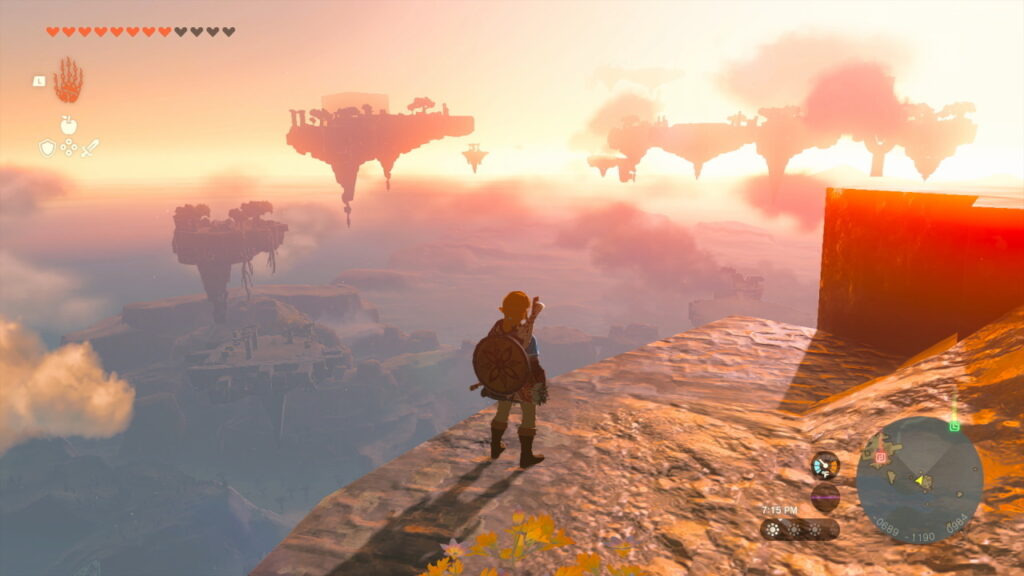
It was the recognition that my day job was bleeding into my leisure time that really made this clear to me: “I don’t want to play in a sandbox after work.” But it also made me realize why kids and people in different walks of life might enjoy this game. As a kid in the USA, your K-12 life is rote. Wake up, get dressed, go to school, learn what they want the way they want, go home and now you can truly express yourself. You are free to play in this BotW or TotK sandbox and create all sorts of solutions to truly open problems. They simply give you a goal and then let you figure out for yourself how to get there. Personally, when I was in that situation all those years ago, my escape became the stories in JRPGs or the challenge of platformers. If I had a sandbox to play in, maybe I would have enjoyed it, but honestly I am not sure. But as an adult, I can say for sure, at the end of the day, I want to sit back and solve a challenge built to be solved in a structured way.
This soul searching solved only one of my issues with TotK, but allow me to explain the other issues I had. But they all sprout from the same source, so maybe this will sound like overkill, but after generations of the game following a formula, it feels like my fun little Sudoku puzzle was wrestled away from me by the very people I trusted to keep designing them for me. Instead, they changed the entire landscape of Zelda in an effort to fit it into this new scheme. At the top of my list of complaints is maybe the most obvious thing you throw on top of a sandbox to make it worth playing in: the story. Normally this is where I would give you a quick recap of the story with some mild spoilers, but honestly I was so disengaged by the end of the game, I couldn’t even care why I was doing it anymore. I just wanted it to end. This is more about what it isn’t than what it is. What it is is too big and too clear. Previous entries had very thin stories that had an overall lack of clarity that basically left the interpretation up to the player to some degree. Oddly, you might think of that ambiguity as its own kind of sandbox, but let’s put that aside for the moment. In a sense, Zelda had a mild case of mystery that kept the player engaged. Let’s take Link to the Past for instance. Largely, there is no in-game explanation as to the individual dungeons that we solve. Who built them? Who decided to leave a special weapon in each one? Why even design something this way? The answer was always rooted in something pretty simple, like a prophecy and preparing the hero or something. It wasn’t grand or deep, but satisfactory. After all, you are mostly there to play the game itself, and everything else was just window dressing. A very beautiful window into a very fun world.
This leads into the next issue. Every story has characters, and the characters at the heart of BotW and TotK might be some of the most boring I have ever encountered in this series. Unlike the world of this series, they are simply trope laden, saturday morning cartoon characters that function only to expound on their surroundings in some of the most boring dialog I have ever come across. They keep talking and talking and say more than they need to about things we don’t really even need to hear them say. And it doesn’t deepen who they are as characters, just what they notice around them, things you can see with your own eyes. And when you do actually get to hear them speak in some of the very rare cut scenes, they have the worst English voice direction I have seen in ages. The actors are doing a fantastic job, but what they are given to say is so lackluster and characterless, that it feels like I am watching action figures carry out simple tasks instead of characters interacting with their surroundings. It’s the worst kind of Saturday morning, the one with the repeats and the terrible shows that ultimately get cancelled because the toys just won’t sell. And because the sandbox is so big and the world so wide, the moments between the story beats and the gameplay are just too far apart to have any impact. I might spend an entire week playing and never engage with anything in the main story. The main story is essentially only 4 major chapters and one big ending set piece. Every other sidequest is just vacuous nonsense or filler about the world at large, which again, you only truly engage with 5 times. And those 5 events last about 1 to 2 hours each. That means that the story of the game is contained in under 10 hours, but you are set up to play over 50 to 100 hours.
I could keep going, my list of complaints feel endless, but in an effort to keep this short, I will stop short and simply say that, if this is the world that people want from Zelda going forward, its sad to watch a good friend leave me behind. As long as I have my day job, I just don’t see myself being able to engage in these kinds of games. But when this kind of game bleeds into a series I have already come to love, it’s like taking an actual hit to the gut. I can ignore new games in this arena, because I have no emotional connection to them, but when a series you love takes a detour for over a decade to tread a new path in its flagship releases, you feel a little betrayed and forgotten. It isn’t Nintendo’s fault however that my job leaves me so creatively drained at the end of the day to enjoy this game, but it is their fault that the other aspects of the game, like the characters and story, are so outright boring that it’s hard to even pay attention. And when you think of all of Nintendo’s first party games, one thing that never comes to mind is their story dense games, because largely, they don’t have any. They focused on atmosphere and design interactivity. And if TotK is the future of their flagship series, I feel we are truly in for dark times ahead across the board.
Leave a Reply